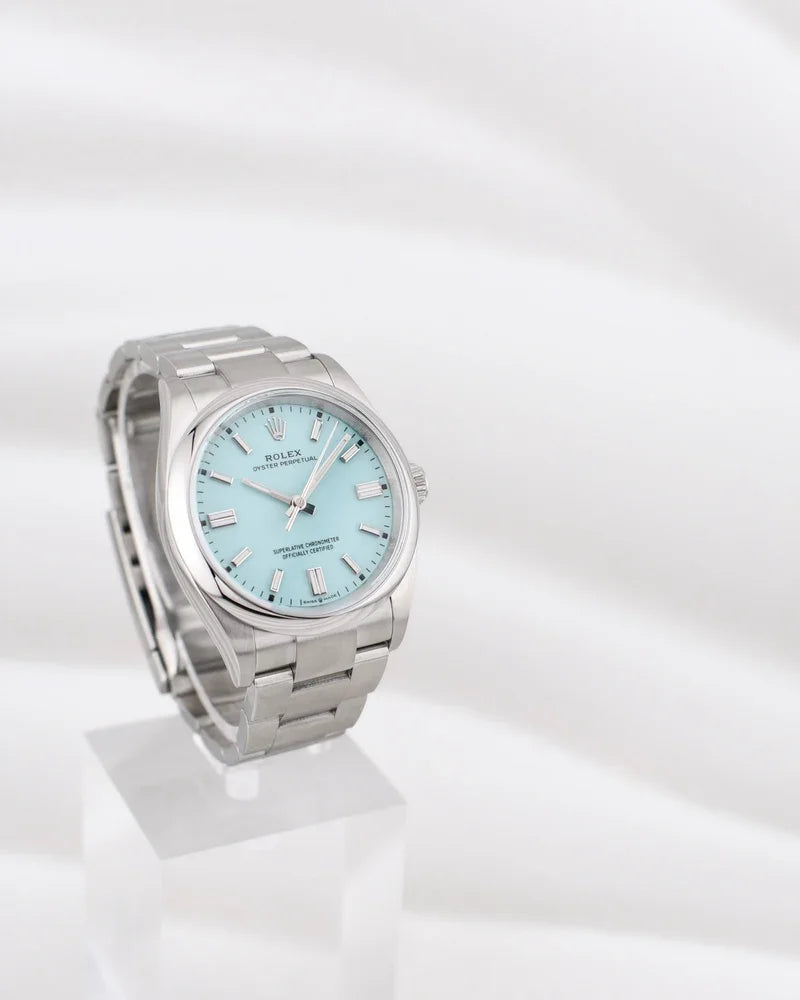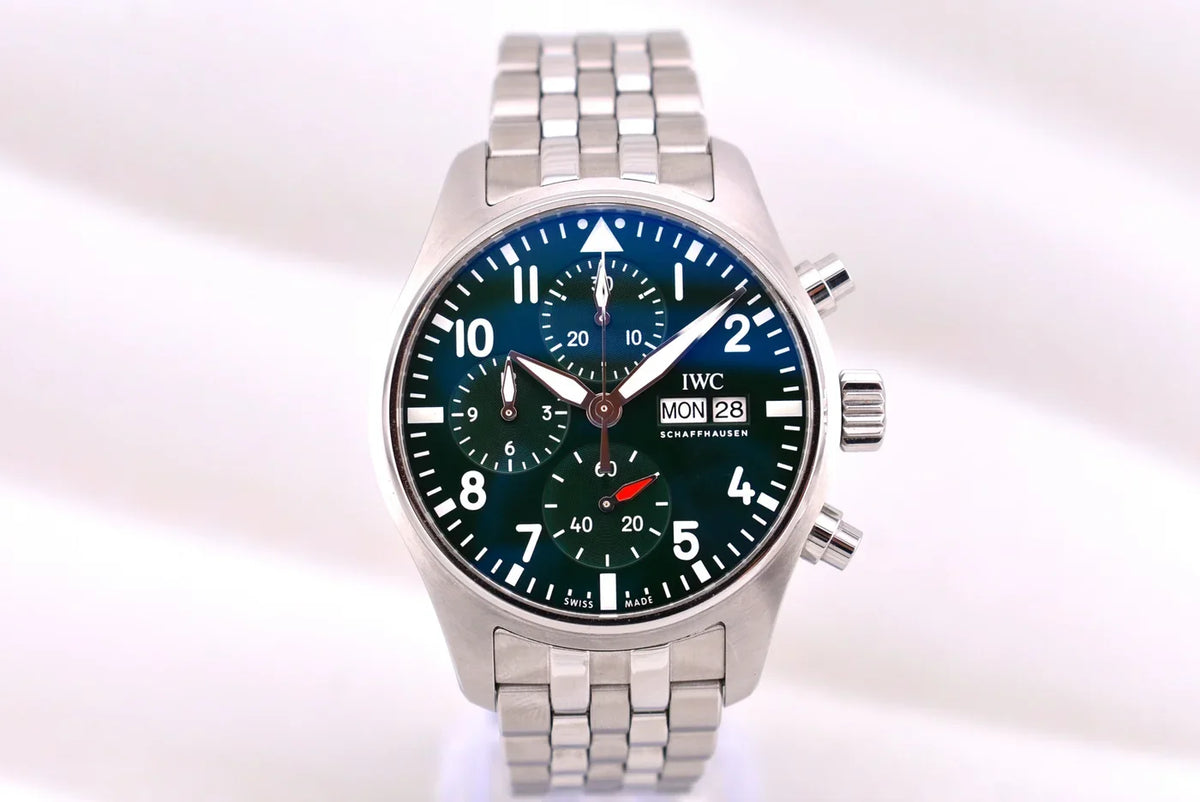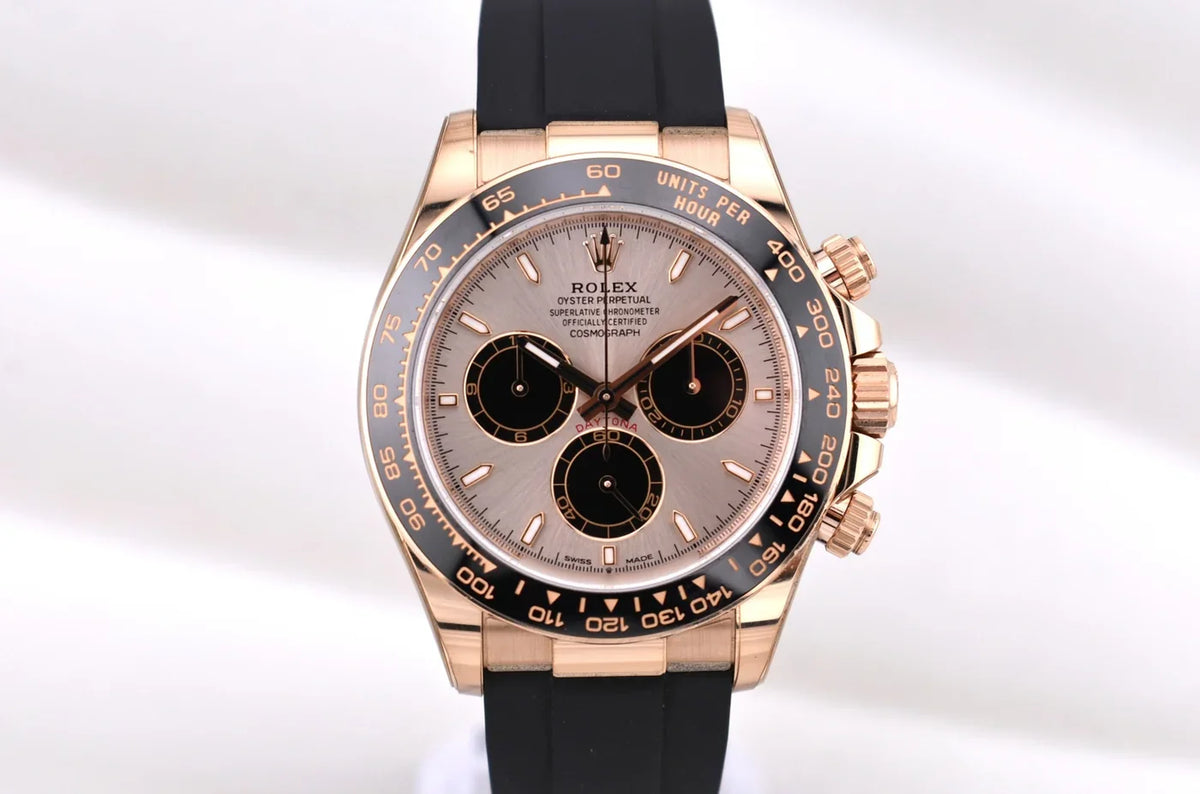
How to Determine Fair Market Value for a Watch with These 5 Easy Steps
How Do You Determine Fair Market Value for a Watch?
When you are trying to understand what a pre-owned luxury watch is really worth, it helps to step away from rushed offers, inflated asking prices, and generic online estimates. Swiss Link gives Australian collectors a calmer way to assess a reference, with careful inspection, provenance checks, and clear market context.
Key Takeaways
- Start with the exact brand, model, reference, and production era before comparing values.
- Look closely at condition, originality, polishing, service history, and complete set status.
- Treat live asking prices as a guide only, and focus on completed transaction evidence where available.
- Separate fair market value from insurance replacement value, trade value, and dealer buy prices.
- Speak with Swiss Link or explore the Current Collection if you want collector-led guidance on pre-owned references.
Swiss Link was founded by lifelong collector Harris Loutas to give Australian watch enthusiasts direct access to verified pre-owned timepieces and transparent valuation insight. We take a collector-to-collector approach, helping you understand the details that influence value before you buy, trade, insure, or review a piece in your collection.
Why This Issue Should Not Be Ignored
Navigating the secondary watch market without a clear view of fair market value can make decisions harder than they need to be. If you rely on guesswork, you may pay more than a reference is realistically achieving in the market, or you may let go of a prized timepiece without fully understanding its condition, provenance, and current collector appeal.
One common trap is treating online asking prices as firm evidence of value. Asking prices are set by sellers and often leave room for negotiation. They do not always show what a buyer actually paid. The Australian Competition and Consumer Commission explains that businesses must not make false or misleading claims about products or services, which is why clear, accurate descriptions of condition and provenance matter in any pre-owned luxury watch discussion.
It is also easy to confuse fair market value with insurance replacement value. Insurance replacement value is usually concerned with what it may cost to replace a watch through retail or boutique channels. Fair market value is different. It reflects what a willing buyer and willing seller may agree on in the open secondary market, once condition, documentation, demand, and timing are considered.
Condition can be just as influential as the model name on the dial. A case that has been heavily polished may have softer lines than it did when it left the factory. Original chamfers, dial details, hands, bezels, bracelet condition, and service parts all affect how collectors view a specific reference.
Common Symptoms/Challenges
Determining true secondary value often raises practical questions for Australian collectors. The watch may look clean at first glance, but the final value depends on the reference, condition, documentation, originality, service history, and how the sale is structured.
Cash Value versus Trade Value
Cash value and trade value are not always the same. A cash offer usually reflects immediate liquidity and a simpler transaction. A trade introduces extra variables, such as the value and resale path of the other timepiece. When comparing offers, it helps to convert everything back to a realistic cash-equivalent figure so you can see the deal clearly.
The Impact of Box and Papers
Original packaging, instruction booklets, spare links, hangtags, and a dated warranty card help establish provenance. A watch head alone can still have strong mechanical and collector value, but a complete set often gives buyers more confidence. For rare or highly sought-after references, missing paperwork can affect how comfortably a buyer assesses authenticity, history, and future resale appeal.
Condition, Polishing, and Service Parts
Condition goes beyond visible scratches. Collectors often look for crisp case geometry, correct brushing, clean dial printing, and components that match the production era of the reference. A routine service can be positive when it is documented, but replaced vintage dials, hands, or bezels may change the way collectors assess originality.
What a Personalised Experience Looks Like
At Swiss Link, evaluating a pre-owned luxury watch should feel clear, considered, and unhurried. A fair price is not produced by a simple average. It comes from understanding the exact reference, inspecting the physical watch, reviewing provenance, and comparing it with relevant market evidence.
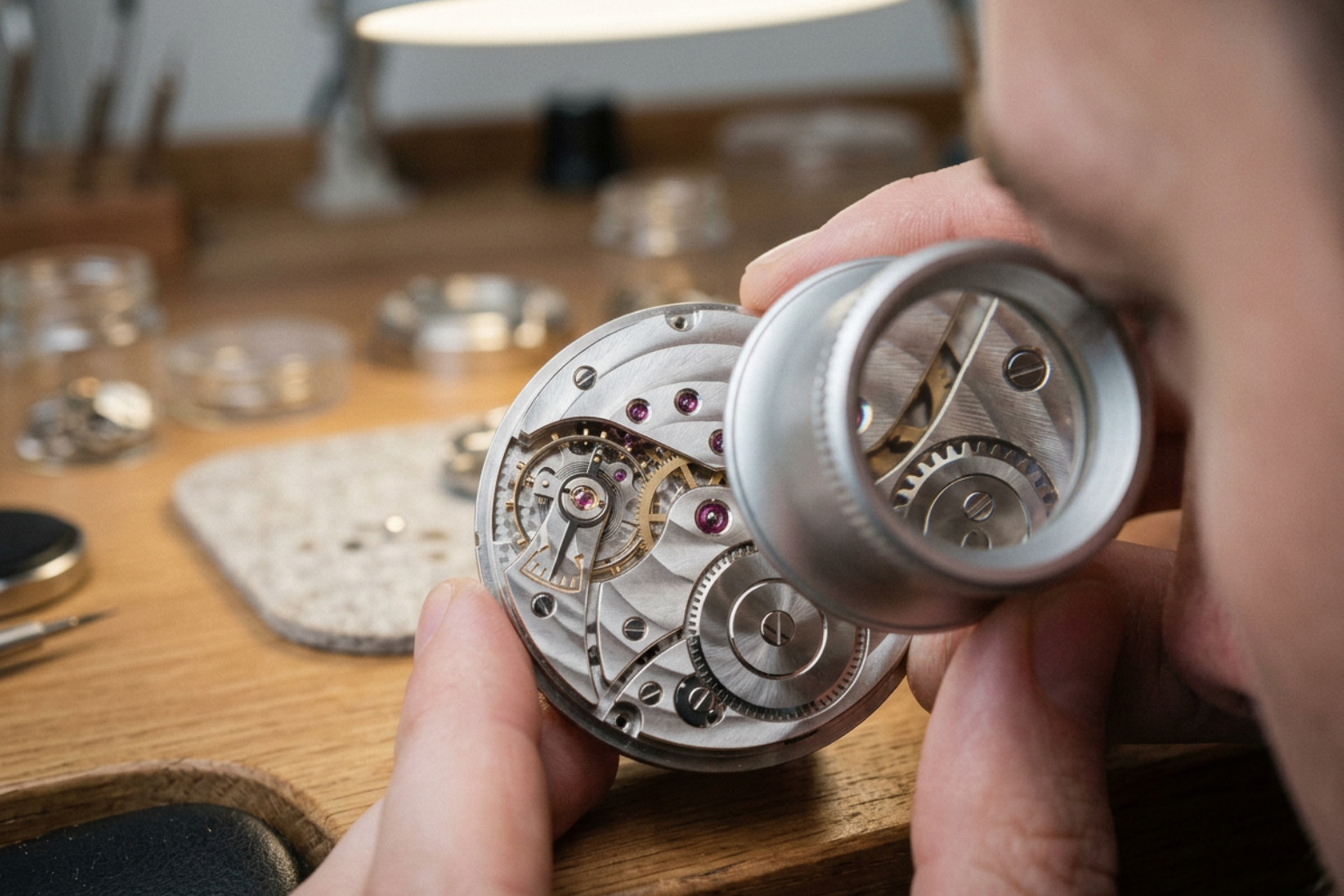
When you work with us to view the Current Collection or discuss a specific reference, we take a hands-on approach. We verify reference and serial details where available, assess case sharpness under magnification, review bracelet condition, consider service history, and check the supporting documentation.
For collectors searching for hard-to-find references from Rolex, Patek Philippe, Audemars Piguet, Cartier, Omega, or other prestige Swiss maisons, our Sourcing service follows a clear process. You share the reference, era, and condition preferences. We present verified options with condition reports and transparent pricing. Once you select a timepiece, Swiss Link authenticates it and arranges appointment-only Sydney showroom collection or insured delivery.
The Value of Consistency
A trusted specialist relationship can make watch decisions easier over time. The secondary market shifts as reference availability, collector interest, condition expectations, and broader economic conditions change. Having someone who understands your collection history gives you more useful context than a one-off estimate.
Regular collection conversations can also help you keep insurance replacement discussions separate from realistic resale expectations. Those two figures may serve different purposes, so treating them as the same number can lead to confusion.
Consistency is especially valuable when you are looking for rare or discontinued prestige Swiss references. The most desirable examples are not always sitting in public storefronts. Through an established global network, Swiss Link can help source suitable options, review condition carefully, and arrange a discreet handover through our Sydney showroom or insured delivery.
What to Expect at Swiss Link
Swiss Link operates a private, appointment-only showroom at Suite 6.09, Level 6, 207 Kent Street, Sydney NSW 2000. Visits are available Monday to Friday, 11:00 to 18:00, by appointment only. The setting is designed for calm, private conversations about pre-owned timepieces, collection goals, and specific references.
When you visit us, you can expect:
- Direct consultation with founder Harris Loutas, focused on your collection goals
- Careful physical review of case lines, dial details, movement condition, and provenance
- Realistic, evidence-led discussion of recent secondary market context
- Flexible handover options, including appointment-only Sydney showroom collection or insured delivery after you Book an Appointment or Enquire
We keep the process transparent, discreet, and personal, so you can make decisions with a clearer understanding of the timepiece in front of you.
When to Get in Touch
If you are thinking about adding a rare reference to your collection, reviewing a current timepiece, updating insurance documentation, or sourcing a discontinued model, it is worth getting informed guidance early. A methodical review can help you separate the watch’s emotional value from its likely position in the pre-owned market.
Understanding how to determine fair market value for a watch is especially useful when:
- You have inherited a family timepiece and need identification and provenance guidance
- You are preparing to trade or refine part of your collection
- You are checking whether your insurance documentation still reflects a suitable replacement context
- You are looking for a specific discontinued or limited reference through trusted sourcing channels
The goal is not to rush a decision. It is to understand the reference properly, review the evidence, and move forward with confidence.
A Practical Way to Assess a Watch’s Market Position
Determining an accurate fair market value is easiest when you follow a consistent process. The steps below help you move from broad assumptions to a more realistic view of where a particular timepiece sits in the Australian pre-owned luxury watch market.
Step 1: Identify the Exact Reference and Production Era
Every luxury watch model can include several reference variations across different production periods. A ceramic bezel, dial print variation, bracelet type, or 41 mm (1.6 in) case size can change how collectors assess value. Start by locating the exact reference number on the original paperwork, case back, or between the lugs where applicable.
Step 2: Assess Case Geometry, Originality, and Physical Condition
Look closely at the case, bezel, bracelet, clasp, dial, and hands under good lighting. Crisp factory lines and correct brushing are important to many collectors. Heavy polishing can soften the original shape of the case, while incorrect service parts can affect how original the watch feels for its production era.
Step 3: Evaluate Set Completeness and Documentation
Check whether the watch includes its original inner and outer boxes, guarantee card, instruction booklets, hangtags, spare bracelet links, service records, and purchase documentation. A complete set helps support provenance and often makes the watch easier for a buyer to assess.
Step 4: Gather Completed Transaction Context
Look beyond live listings wherever possible. A listed price only shows what a seller hopes to achieve. Completed transaction evidence gives a more useful indication of what similar references have actually reached, especially when condition, set completeness, and service history are comparable.
Step 5: Adjust for Liquidity, Service History, and Sales Channel
The final figure depends on how the watch is being sold. A private sale may take longer but can sit closer to fair market value. A dealer buy price may be lower because the dealer takes on authentication, warranty, holding, and resale risk. Recent documented servicing can support buyer confidence, while an overdue service may affect negotiations.
5 Essential Factors Influencing Pre-Owned Timepiece Valuation
- Reference desirability: Collector demand for a specific reference often matters more than its original retail price.
- Case originality: Crisp, unpolished case geometry can improve collector appeal.
- Set completeness: Original box, dated warranty card, accessories, and service records support provenance.
- Documented service history: Clear servicing records help buyers understand recent mechanical care.
- Component authenticity: Correct dials, hands, bezels, bracelets, and clasps preserve the character of the reference.
Every collector deserves a clear, transparent, and informed path when buying, evaluating, or sourcing a luxury timepiece. By grounding your assessment in reference identity, physical originality, documentation, and completed transaction context, you can approach the pre-owned market with greater clarity.
If you would like help assessing a timepiece or sourcing a specific reference, Swiss Link can walk you through the next step in a discreet, collector-led way:
Frequently Asked Questions About Watch Valuation
How do you determine fair market value for a watch with missing box and papers?
Determining fair market value for a watch without its original box and papers starts with the watch itself. The reference, case condition, movement, dial, hands, bracelet, and service history all need to be reviewed carefully. Missing papers can reduce buyer confidence, so provenance checks and clear service documentation become even more important.
How do you determine fair market value for a watch compared with insurance replacement cost?
Fair market value reflects what a willing buyer and willing seller may agree on in the secondary market. Insurance replacement cost serves a different purpose and usually considers what it may cost to replace the watch through an appropriate retail or boutique channel. For sale or trade discussions, secondary market evidence is usually the more relevant guide.
How does Swiss Link verify the authenticity of a pre-owned watch?
Swiss Link verifies each pre-owned watch through a careful physical inspection process. We review reference and serial details where available, examine the movement, assess dial and hand execution, check case finishing, and review supporting provenance documents. This process helps us present each timepiece with clear, evidence-led information.
What does the sourcing process involve if I am looking for a specific reference?
Our sourcing process begins when you share the reference, era, and condition preferences you are seeking. Swiss Link then presents verified options with condition reports and transparent pricing. Once you choose a timepiece, we authenticate it and arrange appointment-only Sydney showroom collection or insured delivery.
How is a watch’s price determined when there is no fixed retail price?
When a reference is discontinued or does not have a current retail baseline, its price is shaped by secondary market supply, collector demand, condition, provenance, service history, and set completeness. The most useful comparison is with similar completed transactions for the same reference, rather than broad asking prices across unrelated models.